


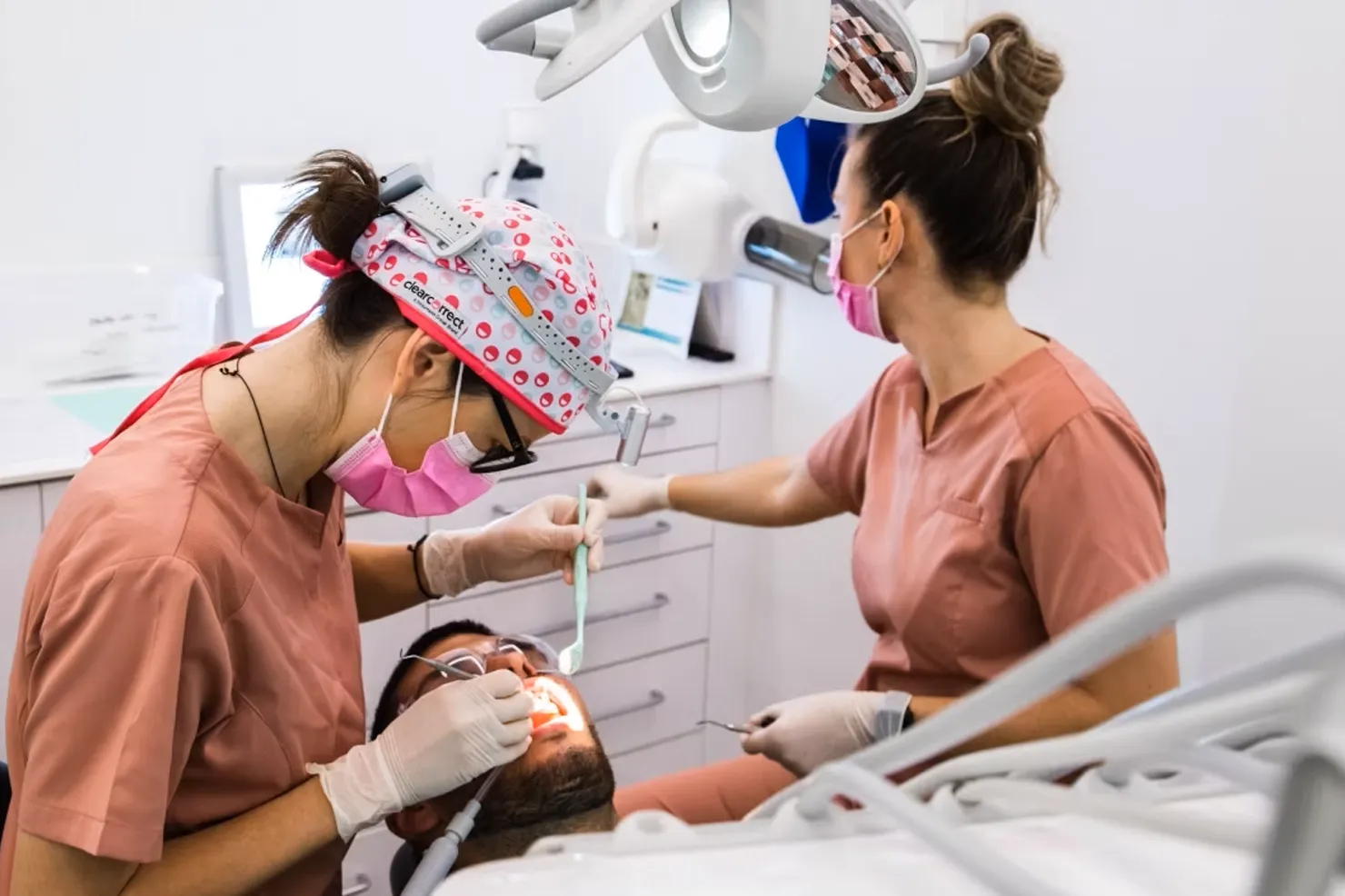
At SDS Dental Clinic, we are dedicated to preventing and treating tooth decay to ensure healthy smiles for our patients. In this article, we will explore in detail the causes, prevention methods, and treatment options available for tooth decay.
According to the General Council of Dentists, tooth decay is one of the most common diseases in the population.
Prevention and Treatment of Tooth Decay at SDS Dental Clinic
At SDS Dental Clinic, we are committed to our patients’ oral health. Preventing and treating tooth decay is one of our top priorities, since a healthy smile begins with teeth free of decay. In this article, we explain in detail what cavities are, their causes, how to prevent them, and the treatment options we offer at our clinic.
What are cavities?
Tooth decay is one of the most common oral diseases worldwide. They occur when bacteria in the mouth produce acids that attack tooth enamel—the hard outer layer of the tooth—causing it to demineralize. If not treated promptly, this condition can progress to the dentin and even the pulp, causing pain, infections, and even the loss of the affected tooth.
Main Causes of Tooth Decay
Tooth decay usually develops due to a combination of factors, including:
Poor oral hygiene: Insufficient or improper brushing, as well as a failure to floss, promote the buildup of bacterial plaque.
A diet high in sugars: The sugars found in foods and beverages are metabolized by oral bacteria, producing acids that damage tooth enamel.
Fluoride deficiency: Fluoride helps remineralize enamel. A lack of fluoride increases the risk of cavities.
Dry mouth: Saliva protects the teeth by neutralizing acids. Low saliva production can increase the risk of cavities.
Genetic factors: Some people are more prone to developing cavities due to the shape of their teeth or hereditary factors.
Effective Prevention
At SDS Dental Clinic, your dentist in Vilafranca del Penedès, we are committed to active prevention. We offer personalized guidance and preventive treatments tailored to each patient. To prevent tooth decay, we recommend:
Proper tooth brushing: At least twice a day with fluoride toothpaste, supplemented by daily flossing.
Use of Fluoride: Use fluoride mouthwashes and toothpastes to strengthen tooth enamel.
A balanced, low-sugar diet: Reduce your intake of sweets and sugary drinks, especially between meals.
Regular checkups: Regular visits to the dentist allow for the early detection of any signs of tooth decay and the implementation of preventive treatments.
Application of Dental Sealants: In children and adolescents, it is very helpful to apply sealants to molars to protect the chewing surfaces.
Treatment Options
When tooth decay is already present, our clinic offers effective treatments to restore the affected tooth structure:
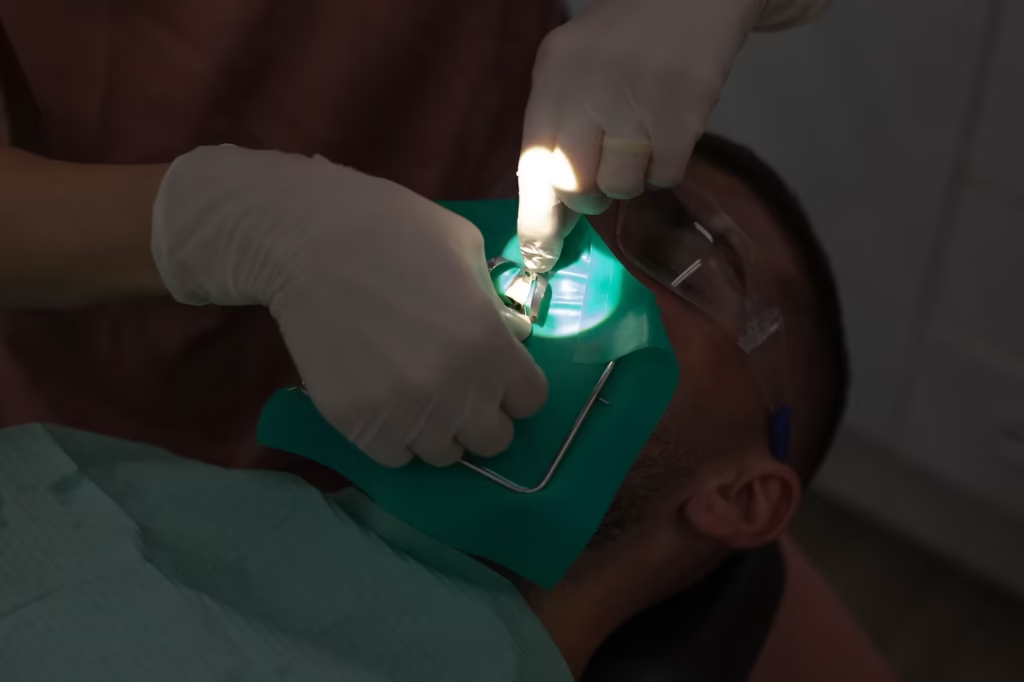
Dental fillings or restorations: The affected areas are removed and filled with aesthetic materials such as composite or ceramic.
Dental crowns: When damage is extensive, a crown can protect what remains of the tooth and restore its function.
Root Canal Treatment: If tooth decay has reached the dental pulp, a root canal is performed to eliminate the infection and save the tooth.
Extraction and Replacement: In extreme cases, if the tooth cannot be saved, it is extracted. We offer replacement solutions, such as dental implants, to preserve the aesthetics and function of your smile.
7 Effective Tips for Preventing Cavities
Brush your teeth at least twice a day for two minutes using fluoride toothpaste. Use the proper technique, making sure to brush along the gumline and the back of your teeth.
A toothbrush cannot reach all tooth surfaces. Flossing removes plaque and food particles from between the teeth, where cavities most often begin.
Limit sweets, soft drinks, store-bought juices, and frequent snacking. The bacteria that cause cavities feed on sugar and produce acids that damage tooth enamel.
Visiting the dentist every 6 months allows for the early detection of cavities and the implementation of preventive treatments before more serious damage occurs.
Fluoride strengthens tooth enamel and makes it more resistant to acids. At our clinic, we can apply gels, varnishes, or concentrated rinses to protect your smile.
A protective coating on the molars can prevent cavities in the chewing surfaces, especially in young patients who are prone to cavities.
A varied diet that includes fruits, vegetables, water, dairy products, and mineral-rich foods helps keep teeth strong and reduces the risk of cavities.
Conclusion
Contact us today to schedule a consultation and start your journey to a healthy, bright smile!


